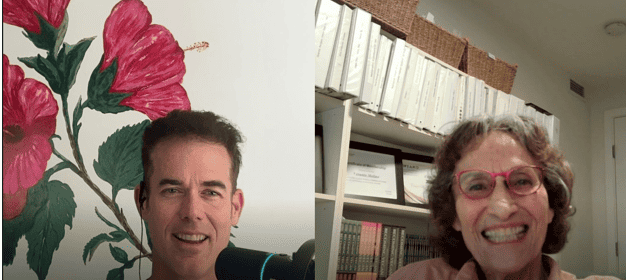
This episode of NHA Today features a rich dialogue with Vesanto Melina MS RD, a renowned registered dietitian and co-author of plant-based nutrition books. The host, Dr. Stefan Esser, introduces Melina as a pioneer in plant-powered health and a lifelong advocate for lifestyle medicine..
Plant-Based Blueprint for Aging Well with Dr Stephen Esser of the National Health Association and Vesanto Melina
Plant-Based Blueprint for Aging Well with Dr Stephen Esser of the National Health Association and Vesanto Melina
Dr. Stephen Esser
Welcome to NHA Today, the podcast of the National Health Association, one of the oldest and most respected health science organizations in the world. I'm your host, Dr. Stephen Esser, physician, lifestyle medicine advocate, and a fourth generation plant-based eater with the NHA quite literally in my blood. Each week we bring you real science, honest conversations, and practical tools to help you become the CEO of your own health. Let's get into it. Hello and welcome to today's NHA Today podcast. Today I'm thrilled to be joined by Vesanto Melina, who's a registered dietitian, co-author of books that have received top ratings by the American Library Association as the go-to books on plant-based nutrition. Her newest is Plant Powered Seniors, written with Brenda Davis and Dr. Charlene Black. She's written over 15 books, most co-authored with registered dietitian Brenda Davis, including Plant Powered Protein, which reached number one on the Amazon lists. Vesanto has taught nutrition at Seattle's and at the University of British Columbia, received the Riley Jeffs Award and the Lifetime Achievement Award as a dietitian. She's lead author of the Academy of Nutrition and Dietetics last position paper on vegetarian diets for the whole life cycle. She's an internationally known speaker, has an amazing background as you can hear. And it's, you know, so I'm gonna jump right in. First of all, welcome to the podcast. And you know, it sounds like plant-based nutrition is not a new fad for you. How many years have you been living a plant-based lifestyle?
Vesanto Melina
Well, I turned vegetarian in the late seventies after Diet for a Small Planet came out and I went to India for four years. And of course, it's really normal to be vegetarian in India. You get really good at it. And then I came back and became vegan in 1993 when we were writing our first book. without knowing the word vegan, but I did that. Yeah. Yeah. So it's about 33 years vegan now and I'm 84. So when I was about 50, I turned vegan. Yeah.
Dr. Stephen Esser
Wow. You know, I read in your bio that your father was a researcher and your mother, an excellent chef. Did you grow up with a love for food and knowledge or was it something that just slowly built over time?
Vesanto Melina
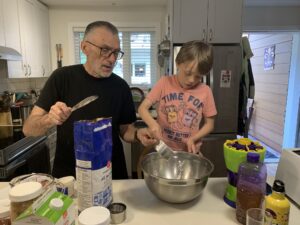
Well, my dad actually worked with Best in Banting And at the University of Toronto, Nobel Prize for insulin, you know, and that was a long time ago. So he was then a cancer researcher and diabetes researcher. And so I had that, like, you know, I'd go down to his lab and all that stuff. And then my mom, she also worked at a university, but the child study center. So she liked having kids. prepare food. And we always had my birthday parties. Actually, they were cookie parties and we'd get to pile on all these sprinkles and stuff. But when my kids were growing up, we had pizza parties. I'd have everything ready and the kids would put them together. And that is really the way to get kids or grandkids to like healthy food, you know, when they get in there. Even my son, who's in his 50s now, we went on a TV program when he was one and a half and he managed to put something together. You know, it's just, it's so good for kids to do that.
Dr. Stephen Esser
I love it. Making it a party and a celebration.
Vesanto Melina
Yeah, that's right.
Dr. Stephen Esser
Very cool. You know, as you discovered your passion in nutrition, you mentioned that you spent some time in India. You know, tell me more about how that living there impacted your approach to food and health.
Vesanto Melina
Well, I was in a very academic world and I, I wanted to see the other side of things. So I went off to India and I'd made some money on the stock market so I could do that. And I just really enjoyed seeing the other side of things, you know, just traveling to Nepal, but seeing what the people were like and, and learning just all sorts of things. I just found it so special that I got to, it was, going to India was like seeing the exact opposite side of what humans were. So it was really fun.
Dr. Stephen Esser
Were you already a dietitian at the time?
Vesanto Melina
Yeah, I was a dietitian. So how did that?
Dr. Stephen Esser
Yeah, I was gonna say when you were there, how did that influence your practice of dietetics when you came back?
Vesanto Melina
Then when I came back, I realized that we as dietitians hadn't learned anything about vegetarian. I think this was in the 80s and we kind of had the opinion before, it was a general thing, that vegetarians were kind of hippies that didn't shave their legs and wore sandals and, you know, it was like that concept. And I realized that it could be a very good way to be. And so I started doing classes through the university and also for dietitians just to learn vegetarian, exactly how it worked. And in our first book that we wrote, Brenda Davis and I, we wrote a book called Becoming Vegetarian, but it actually was kind of a vegan book because it had a chapter called Without Dairy. And it didn't say dairy was bad. It just said, if you don't eat dairy, then here are how you can get the nutrients.
Dr. Stephen Esser
Were you surprised at all? Because if you were trained in a traditional sense of dietetics, were you surprised when you went to India and saw people thriving on just a plant-based approach?
Vesanto Melina
Well, yeah, no, it was just, I realized how normal it was. But when we wrote that, the Dairy Farmers of Canada came out with a book against our book.
Dr. Stephen Esser
I'm sure, right?
Vesanto Melina
And they gave it out across Canada. And I was really upset at that, but our book became a bestseller, so whatever.
Dr. Stephen Esser
What are you gonna do?
Vesanto Melina
It just helped. Yeah.
Dr. Stephen Esser
That's right. Now, I am curious, so in parts of India, right, there's a lot of dal or the use of lentils, right? And so when you were still, prior to going there, did you use a lot of lentils in your cooking, et cetera, while in Canada? Or did you, after being in India, did you start adding different unique things into your diet that maybe you hadn't prior?
Vesanto Melina
Well, it was when in India when I learned really the many ways that beans could be used. And of course, legumes, beans, peas, lentils, soy foods are used in every culture around the world and they're used in different wonderful ways. But that was a very good start. And I started to realize, hey, there's 20 kinds of legumes that we can use and they could be just used so differently. They help like older people. You can have things that are soft for your teeth and dental, that kind of thing. For kids, you could hide red lentils in tomato sauce if they're not really into exploring that direction. You know, there were just all kinds of options with the legumes. And so I found it very, very interesting.
Dr. Stephen Esser
Yeah, it's fun. I was actually on YouTube randomly the other day and I watched a whole documentary on lentils. Who knew, right? There's a whole hour and a half long thing on lentils because they're such a primary calorie source in many parts of the world that I never realized, you know.
Vesanto Melina
That's right. Yeah. Yeah. Also, some of the protein powders that are used are pea based, where peas is another legume, and so are peanuts, by the way.
Dr. Stephen Esser
Yeah.
Vesanto Melina
So we actually recommend that people get three servings a day of legumes. Bebo go, Yeah, give me a break. I'm not going to have baked beans three times. But it ends up that you can have, like, peanut butter on your toast. That's a legume.
Dr. Stephen Esser
Right.
Vesanto Melina
The peanut part. And you can have soy milk on your cereal. So, and then you can have tofu at one meal and one of the like 19 or 20 other legumes for another meal. Hummus dipped, you know, at lunch.
Dr. Stephen Esser
Right, right.
Vesanto Melina
There's just a lot of options here. Yeah.
Dr. Stephen Esser
Now, what are the big health benefits of legumes for us?
Vesanto Melina
Okay. Well, they're huge because legumes are a very good source of protein and the protein doesn't come with a whole pile of fat. One of the things that really frustrates me about North American recommendations on a kind of national level is that we're so much influencing to eat meat, but meat is a probable carcinogen. And cured meats are convincing carcinogens. And so it's really crazy that we're subsidizing these things so extensively. And you know, then we want health. It's just not very smart. Legumes in contrast have very, very low levels of fat that are like 3% instead. And foods that we think of as protein foods like cheese are 75% calories from fat. So there's a really and it's not good fats, it's saturated types of fats, that kind of thing. So it's good to start exploring the legumes. Now chickpeas have about 15% calories from fat and soy is in close to meat, sort of like 40% really for soy. but it's still lower in fat and it's good kinds of fat.
Dr. Stephen Esser
Right. What I'm hearing from you about the legumes is they have so much variety there, right? We're getting those wonderful proteins, we're getting the fiber, and then also you can choose which type to eat depending upon the amount of fat you're wanting to add, right, to that meal, right, or to your diet in large part.
Vesanto Melina
And there's other nutrients too, like there's calcium in calcium set tofu and in black and white beans, there's a bit of calcium in other beans too. there's iron, that really makes a big difference. So people can get their hemoglobin, their ferritin up with eating the legumes, and there's zinc and just a lot of B vitamins. So they're really very, very valuable.
Dr. Stephen Esser
So those three servings, when you think about that, what does that come out to in cups? Like if I'm thinking cups of lentils or whatever.
Vesanto Melina
Like half a cup would be a serving.
Dr. Stephen Esser
Oh yeah, that's totally doable.
Vesanto Melina
Yeah.
Dr. Stephen Esser
That's totally doable.
Vesanto Melina
Yeah.
Dr. Stephen Esser
Now you've written over 15 books, right? And probably more to come. And the most recent one is titled Plant Powered Seniors, which you co-authored with Brenda Davis and Dr. Sharlyn Black. Tell me what inspired this most recent book.
Vesanto Melina
Well, we actually got older.
Dr. Stephen Esser
What?
Vesanto Melina
This is unacceptable. Yeah, it's true. Yeah. So I'm 84 and Sharlyn Black is in her seventies and Brenda's 67, even though she's a vegan rock star.
Dr. Stephen Esser
And she's spring chicken.
Vesanto Melina
Yeah. Yeah, yeah, exactly. So we, and we also are inspired like that people can get old and they don't have to be focused on caregivers and medications and pain and bedpans and all that stuff. They can actually be healthy towards the end of their lives. And that's what something I'd like for myself. I actually hope to be 118 and still in fairly good health, you know?
Dr. Stephen Esser
I love it.
Vesanto Melina
You know, we've started to realize from, it seems when you're around your 60s, things start changing and you could go really downhill and that isn't necessary. Sometimes people think it is necessary. I think sometimes people don't realize that it's like what gas, you've got to put the right gas in your car and you've got to put the right fuel in your body.
Dr. Stephen Esser
I love it. You know, and what I love about what you're saying there is, right, even as you're aging chronologically though, you're still having great purpose, function and vitality in your life. I mean, I saw you got your website, you're speaking, you're counseling people, you're writing books for Pete's sake, right? I mean, it's fantastic, you know, and it sounds like, right, your mission is to continue to share this passion so that other people can be vital as well.
Vesanto Melina
That's right. I love it. You know, and I've had clients that, you know, came with type two diabetes and a year later, they'll come back and say, Hey, I don't have it anymore. You know, it's in remission or people who've been way underweight because life got a bit challenging and they kind of turned away from eating. And even a week or two later, they go, Hey, I'm gaining. It's great. It's working and I actually like it. So it's very good.
Dr. Stephen Esser
It's such a beautiful message. My grandfather, who was one of the founders of the NHA, he ran his health ranch till he was 90, and seeing patients and caring for them every day. Hands down, I'm hearing that same message from you. He had one of his flyers that's on my website still on Esser Health, and it says, Men and women in your 50s and 60s, don't go on the shelf. And this idea, you're breaking through that idea of, oh, well, slow down, stop doing so much, don't be engaged. Yet here you are writing a brand new book, which I hope will be a next bestseller. And everybody who's watching the podcast should be buying the book and reading it. I have a question for you, right? So you've been in this health space for decades. How has your approach to your own personal nutrition changed in the last 10 years? What have you changed for you?
Vesanto Melina
Well, one thing is I used to think the right kind of diet to go on was vegan. Now I think what's right is well-planned vegan. Because we've got to get it right. Like we need to include, you know, vitamin D in many cases, even in Hawaii, the cancer center there, I was speaking on Maui and Honolulu, and they found that a lot of seniors and other adults in Honolulu were low in vitamin D, you know? And we find that in Hawaii and San Diego, people are low. Even skateboarders in Honolulu were low. Those are young guys that are out there. So it was surprising. There's a lot of reasons for that. We're finding, where did I go off on that one? Let's see. Can't remember what I was--.
Dr. Stephen Esser
Right, about changing kind of how your nutrition has changed over the last 10 years.
Vesanto Melina
How my has changed?
Dr. Stephen Esser
Yeah.
Vesanto Melina
So then I also, so the thing about getting it right has really come in strong. We're finding like with bone health, vegans aren't always doing better. We have to get it right. Now some of the other things that say Brenda Davis and I have been very interested in is tracking our own vitamin D levels or omega-3 levels because the research hasn't caught up. For example, with vitamin D, it's very tricky to say exactly how much vitamin D we need. And people can get their own serum vitamin D levels checked and see if they're in the optimal range. I had to go up to, this is amazing, 9,000 international units a day to get my serum vitamin D right. And then I could come down, I worked with the lifestyle medicine group nearby and got my serum vitamin D to the right level. And that now it's lower than that. And I have been tracking my omega-3 fatty acids too with omegaquant.com or local lab. And they're like, we don't even have official recommendations for how much of the long chain omega-3s we should be having for our brain and it helps our bones and all kinds of things. but you can see whether your level's at the optimal level and people were eating fish. for long chain omega-3s. But it turns out that the fish are lower now. If they're farmed fish, they aren't feeding them as much because they feed all those trapped fish. And also even the fish in the wild have a lot of toxins and so on. But we can go where the fish get their omega-3s because they don't make them, they just get them from microalgae. We can go directly to that source and get a microalgae based supplement for DHA and EPA. And so we're just tracking these things and staying a bit ahead of, well, going with the research, but the leading edges of it.
Dr. Stephen Esser
Right. So it sounds like you've become a little bit more aware of kind of these specific micronutrients and then how to incorporate them into your program?
Vesanto Melina
That's right.
Dr. Stephen Esser
Is that correct?
Vesanto Melina
And I often tell my clients, Hey, you're gonna be the expert on you, you know? you're gonna really be able to figure out what you need, but here are some tips and how to go about it.
Dr. Stephen Esser
Right, so putting that ownership, putting that opportunity back in their hands, right?
Vesanto Melina
Yeah, that's right, yeah.
Dr. Stephen Esser
You know, we know that upwards of 90% of North Americans have at least one chronic condition, right? 80% have two or more. In plant-based seniors, right, you kind of summarize some of the information about these 15 main chronic conditions. So when you, when, and then kind of give recommendations on what can help to reduce the risk of these problems. And, you know, in some cases, even turn it around for our viewership. What are, you don't have to give away the whole story from the book, but what are a couple of these general approaches or adjustments that you might recommend to the senior population out there who maybe have eaten the standard, you know, American or Canadian diet for decades, but now recognize they want greater health and less stability, what are some kind of general approaches, right, of adjustments that you guys recommend?
Vesanto Melina
Okay, we suggest that people go towards whole food, whole plant foods, and these are really, really helpful. And you can go gradually, it's okay. And we advise against all these ultra processed foods, except that doesn't mean never eat something processed. I mean, tofu's processed and it's a good food. Also, there are things like the Beyond Burgers. I was surprised. I looked at the package. They have 6. 5 milligrams of iron. And I find when people are a bit low in hemoglobin, it can really help to put Beyond Burger on your menu once in a while. That's a processed food, but it, it kind of works. It's easy for people. Also the calcium and vitamin D fortified plant milks. Now cow's milk is fortified with vitamin D and we can have the same in a plant milk. And so that's processed. So there's a few processed foods that are really helpful, but mostly go towards the whole plant foods. So that's one guideline that we have is towards whole plant and not too processed.
Dr. Stephen Esser
I like it. I mean, in a very reasonable, very approachable. And I like the idea you also said, I was just visualizing my head, that person who sometimes feels overwhelmed by big changes and radical shifts, but just saying, look, we need to add more of these whole plant-based foods into your diet. I mean, the thing you said about some legumes once or twice or three times a day, gosh, right? Little transition, little changes.
Vesanto Melina
Yeah. Oh, you know, I talked to Will Balsamic one day and I was saying, you know, yeah, it's good to just start with legumes, you know, half a cup of lentils. He said, start small, one chippy. It was, that was extreme, but it was like, just get your gut microbiota used to this change. Yeah. And you won't be kind of gassing out all your friends or having stomach discomfort. You just go gradually and enjoy it and find the foods you like, be with groups or other people that you can share recipes and find ones that you absolutely love. Neil Bernard once said, you only need 10 recipes. So you just find your little new 10, which are, you've probably got several of them already in your repertoire.
Dr. Stephen Esser
And I bet you have a bunch of fun ones in Plant Powered Seniors, is that correct? Do you have some recipes?
Vesanto Melina
In there? That's interesting because I like quick and easy. I, you know, like to make my salad about every three or four days, huge salad and then I got it there for lunch and supper. We don't put tomatoes or peppers in it because they'd go bad, but all the leaf stayed for three days, you know, easily. And then I keep it pretty simple. One of my absolute favorites is a marinated tofu put in the air fryer. And I've got that in the fridge marinating all the time. And just, it's strong protein. So then I can have it as a snack. It's kind of like potato chips, except it's healthy. And you know, so that's one I really love. And one that I've helped people who needed to gain weight has got two ingredients. It's so easy. It's a melted chocolate bar sort of dark chocolate and some soft tofu. And they get just the chocolate softened, the soft tofu's added, and then they can add peanut butter if they want or some pea-based yogurt. And it's a really good protein food for people who are having dental challenges or need to gain some weight, that kind of thing.
Dr. Stephen Esser
Well, I like what you're saying there is that it's not one-size-fits-all. I like also this idea of like people kind of, I like to tell people that they are the CEO of their own health company, right? I mean, it's like really, it's not that the doctor or whoever over there is telling you what to do. You are evaluating your own personal health and then kind of making changes to help you achieve the health that you've always wanted, right?
Vesanto Melina
That's right. I do nutritional analysis for people with a very good program and they end up finding out, hey, 95% of what I'm doing is just awesome. It's excellent. There's a few little tweaks, you know, I could improve it. They go really feeling empowered. Yeah.
Dr. Stephen Esser
Beautiful. You know, you mentioned briefly about bone health. In your book, give us one or two things that maybe you point out to seniors about lifestyle changes that can help their bones.
Vesanto Melina
Okay, well, the things that I mentioned, like about protein and the minerals, bones are like this living matrix keeps updating itself, keeps changing. It slows down a bit when we get older. So we do want the protein, the calcium, the magnesium, the potassium, these minerals to go in. And that diet thing's really important. It's also really important to exercise on a regular basis. And I. do usually five fitness classes a week that involve weights. They're for seniors, so they're not really super hard. They're not like the same ones that 25 year olds are doing. And they involve weights and I do two yoga classes. So, and I find just that getting out there and sometimes I'll get to the gym. One neighbor said, I just admire you so much that you get to the gym all the time. But when I get there, often I, I do feel a bit stiff and, you know, wondering do I really feel like doing this? And then after a couple minutes of moving my body, like it really feels good. Your posture gets better and they teach you a lot about how not to fall or how to catch yourself before you fall and you start getting a confidence about it.
Dr. Stephen Esser
Awesome. Awesome. Yeah. I mean, I, you know, I tell, you know, I'm a sports doctor and so I tell my patients 80% of fractures occur in the setting of falls. So if we can just avoid the falls, right? And all about proprioception and balance and lower body strength and reaction time, all these things are so crucial, right? Along with the excellent nutrition to help keep, right, everything healthy. Speaking of which, speaking of the eyes, right? It's about vision, you know, for our followers, share a little bit with us what you've learned about reducing the risk of macular degeneration. That's actually an area.
Vesanto Melina
I got interested because I, of course, use my eyes a lot and I started finding I had a little bit of wet macular degeneration. And I was thinking about this and I thought, you know, 15, 20 years ago, I would have just gone downhill with this. You know, it would've ended up not being able to see as a senior, you know, that would really happen. But it can be now caught both medically, there's a little laser hit that they do, which you can hardly feel every six or eight weeks, but mostly it's good to stay in touch with your eye doctor about things like that. I just found my vision was going a bit blurry and I went to check it out, but also it really helps to eat those carotenoids that orange things. So that's like carrots and yams. I love baked yams. If ever I put the air, the oven on, I'll stick in a couple of those orange yams or sweet potatoes and eat carrots and the carotenoids really, really help keep your eyes in good health. And also we want vitamin C, vitamin A, the antioxidants and that helps and exercise helps too, like all the things that keep your blood around and clearing out. They clear toxins from different parts of the body. They help your heart, they help your bones, they help your eyes.
Dr. Stephen Esser
Simple approaches that are powerful throughout the body. I love it. You know, I have a question for you. So as we're getting closer to wrapping up our time together is, you know, health in our senior years is often created in our early and midlife, right? So I have a, if you were speaking to, let's say a 20 year old female, And she wants to be healthy when she's in her 40s, 50s, 60s, and beyond. What are the top three or four tips that you would give her on what she should be doing now in her 20s and 30s to create a healthy 70s and 80s?
Vesanto Melina
Let's see. Well, one thing is to start finding ways to make food prep fun. that that's seems some people didn't learn that. I learned that because my mom taught me and I find it unfortunate when people didn't learn that, you know, and it's good to connect with others that that are exploring that kind of food. Also, if people go to restaurants, check out happy cow.net. It's a very good website and let's see what else. There's so many different options. It's good to find some networks in your neighborhood that are going on a healthy direction because, you know, not everybody is, but there's, for example, we've got a meatless meetup group that has 6,500 members. Wow. Locally. And there's like two or three restaurant get togethers, there's talks, all that kind of thing. So it's good to look up. I think you've got really good courses that people can take at all different ages, right?
Dr. Stephen Esser
We try to help where we can.
Vesanto Melina
Yeah. And it's good to go to these little veg fests that are happening. I just had Robert Cheek here yesterday for lunch and he'd just been speaking somewhere locally, but it's good to learn how strong and healthy you can be and you'll end up having a really, really good life from your twenties on.
Dr. Stephen Esser
I love it. It sounds like what I'm hearing there from you is continue to advance your knowledge, make things fun, especially around food and food preparation, because if you don't enjoy preparing the healthy food, you're probably not gonna do it and you won't eat it. And then you're gonna fall back on all the process junk and all the rest. And then a third thing I'm hearing from what you said was develop connection and social circles with people who support you in being healthy and vital.
Vesanto Melina
That's right.
Dr. Stephen Esser
So yeah, yeah, yeah. Good advice. You know, back to your latest book that's out, The Plant Power Senior, who should be reading this book.
Vesanto Melina
Well, it could be people who are approaching their 50s and it could be people who are well into it, like in their 80s. People can still turn things around. That was like my friend that was losing so much weight was older than me. She was in her, I think, 87 and managed to turn things around and also lost it there. I went off on a direction.
Dr. Stephen Esser
You're good. You got all the 50 to 80 year olds. That was what I think a target audience for the book.
Vesanto Melina
That's not all though. The people that love their granny or their mom, they could get it for them because it really helps like for older people. And if they find a couple recipes they like, that's usually the root in. It's finding, well, I can eat that. I really like that, you know, that marinated tofu or just having a salad there when I get home, what a relief or batch cooking, you know, making 10 servings of my favorite lentil soup. And it's just there in the freezer. Just those things make it so easy and it'll really help a senior. Yeah.
Dr. Stephen Esser
What I love about you is I know you have a wealth, a cornucopia of academic knowledge and science because the academic papers you've written, the books you've written, et cetera. And yet what you're sharing with the audience today is a simple message about incorporating healthy habits and behaviors into your life and then thriving. Yet we know based on your books that I've looked at, right, in the papers you've written, which I've shared with people over the years. is that the science is so incontrovertible that plant-based nutrition needs to be at the heart and the foundation of human health. And so I want to say thank you personally to you for all your work on the academic papers, et cetera, because it makes my dialogue with other doctors and healthcare practitioners so much easier. And then thank you also for all the books that you've written and the lives that you've transformed for good through them. And I want to encourage everybody watching today to please go out and buy this most recent one. by Vesanto Melina and co-authors and called Plant Powered Seniors. And with that, Vesanto, I want to say thank you for joining us today. Any final words for our audience before we close?
Vesanto Melina
I'll tell people what the website is, plant-poweredprotein.com. husband actually did that website plant powered protein but it's got a dash between plant and powered and my website which my daughter does is nutrispeak.com awesome but just really enjoy if you if you get this book it can be pre-ordered really enjoy what we're sharing in there because it is very interesting.
Dr. Stephen Esser
Awesome. Well, thank you for the gift of all the work that you're doing and thank you for joining us today. And everybody, I hope you enjoyed today's NHA Today podcast and we'll look forward to seeing you at another edition soon. Thanks for joining me on NHA Today. If this conversation added value to your life, share it with someone you care about because that's how we grow this community and change the health of our nation, one conversation at a time. You can find us on YouTube, Spotify, Apple Podcasts, and everywhere you listen. And for more resources, visit us at healthscience.org/podcast. Follow me on social media @esserhealth. I'd love to connect with you there. Until next time, be well, stay curious, and keep moving toward your most vital health.
The conversation centers on Melina’s decades-long plant-based journey, her professional milestones, and practical guidance for embracing whole-food, plant-based living at any age. The interview blends biographical insight with evidence-based nutrition, emphasizing how to translate science into everyday choices that empower listeners to become the “CEO” of their own health.
Key Themes
- Lifelong plant-based journey:
Melina describes turning vegetarian in the late 1970s, moving to vegan in 1993, and continuing to advocate for plant-based nutrition well into advanced age (she is 84). Her long personal history informs her professional stance and teaching. - Educational impact and leadership:
She co-authored numerous books (over 15, many with Brenda Davis), including Plant Powered Seniors, and led the Academy of Nutrition and Dietetics’ position on vegetarian diets across the life cycle. Her work spans teaching, speaking, and mentoring dietitians to embrace vegetarian nutrition. - Legumes as foundational foods:
The discussion highlights beans, lentils, chickpeas, soy, and other legumes as essential protein sources with low saturated fat. Three daily servings of legumes are recommended, with practical examples (tofu, soy milk, hummus, peanut butter). The conversation contrasts legumes with high-fat animal proteins and emphasizes nutrient diversity (protein, iron, calcium, zinc, B vitamins). - Dietary shifts and micronutrient awareness:
Melina notes a shift from “vegan is best” to “well-planned vegan” to ensure adequate vitamin D, omega-3s, and other micronutrients. She shares personal experiences with vitamin D optimization and omega-3 monitoring, advocating lab-based personalization and the emergence of microalgae-based DHA/EPA. - Senior health and longevity
“Plant Powered Seniors” advocates for aging with vitality, purpose, and functional health. Melina and co-authors argue that aging need not mean decline and that diet, exercise, and social connections sustain quality of life. The book targets adults from their 50s to their 80s and beyond, with practical recipes and strategies. - Practical lifestyle strategies:
Simple, gradual changes are encouraged: add more whole-plant foods, limit ultra-processed items, and incorporate easy recipes. The importance of community, cooking fun, and social networks (veg fests, meatless meetups, HappyCow) is stressed to sustain long-term adherence. - Bone and eye health:
The discussion covers bone health through protein and minerals (calcium, magnesium), plus recommended weight-bearing exercise. For eye health, carotenoids from orange vegetables, vitamins C and A, antioxidants, and regular exercise are highlighted to help reduce macular degeneration risk.
Outro
The host invites listeners to order the new book “Plant Powered Seniors” and visit Melina’s websites for resources:
- plantpoweredprotein.com
- plant-poweredseniors.com
- nutrispeak.com
The conversation closes with thanks, encouragement to share the episode, and a reminder to stay curious, move toward vitality, and engage with the growing plant-based health community. The episode reinforces that science underpins practical, attainable steps toward lifelong health.