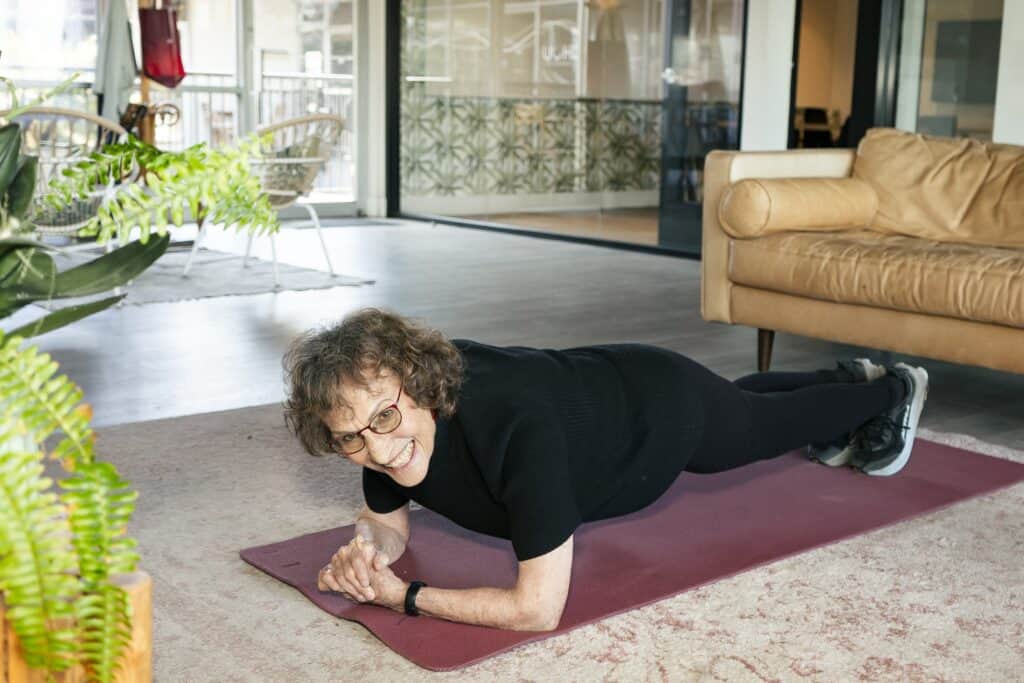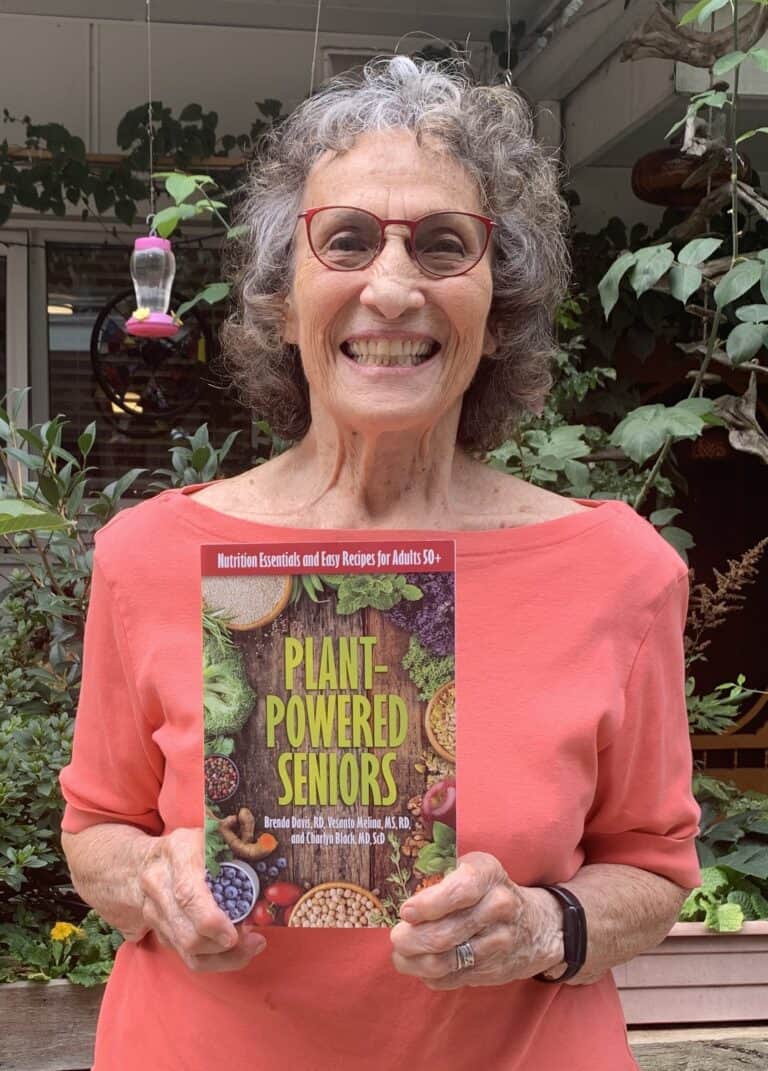
In this episode of Vegan Boss Radio, host Shawna Barker speaks with internationally recognized registered dietitian Vesanto Melina about healthy aging on a vegan diet and the release of Plant Powered Seniors: Nutrition Essentials and Easy Recipes for Adults Over 50. Their conversation explores how a well-planned plant-based diet can help adults maintain strength, mobility, independence and overall health as they age.
Healthy Aging on a Vegan Diet: How Plant-Based Eating Builds Resilience and Vitality for the Years Ahead
Healthy Aging on a Vegan Diet: How Plant-Based Eating Builds Resilience and Vitality for the Years Ahead
Shawna Barker
Hello everyone, welcome back to Vegan Boss Radio. I am so excited about today's episode because I have a very special guest joining me, someone who has been such a huge part of the plant-based nutrition world for decades, and someone I'm really happy to have back on the podcast as a returning guest. Today I am joined by Vesanto Melina, internationally recognized dietitian, award-winning author, educator, and speaker specializing in plant-based nutrition. This conversation is especially exciting because she has a brand new book coming out in just a few days called Plant Powered Seniors, Nutrition Essentials and Easy Recipes for Adults Over 50, which was co-written with Brenda Davis and Dr. Sharlyn Black, and it comes out on September 15th, so in just a few days. And I think it is such an important topic. Nutrition for older adults has some very specific considerations and there are also so many misconceptions about what we need as we age, particularly when it comes to protein, muscle health, bone health, supplements, and maintaining strength and independence. And Vesanto is actually the perfect person to have this conversation with. She's 84 years old herself and still working, still writing, still speaking, still seeing nutrition clients, keeping very active. So she's not just talking about healthy aging from a theoretical perspective. She's actually living it. Ve has also taught nutrition at Bastyr University and the University of British Columbia. She has published in peer-reviewed medical journals and was the lead author of an Academy of Nutrition and Dietetics position paper on vegetarian diets. And you will of course know her from her other books that she has co-authored with Brenda Davis, including Plant Powered Protein, The Kick Diabetes Cookbook, and Becoming Vegan, which together have sold more than a million copies in English and nine additional languages. Vesanto actually joined me on the podcast once before, way back in 2020. So it was really, really lovely to have her back. especially with this new book coming out. So whether you're over 50, approaching that stage of life, caring for an aging parent, or simply interested in how plant-based nutrition can support healthy aging, I think you are going to get so much out of this conversation. So let's get into the conversation with dietitian Vesanto Melina. Hi, Vesanto. Welcome. Welcome back to the podcast.
Vesanto Melina
Thanks, Shauna. Good to see you. Yeah.
Shawna Barker
You too. I'm so happy to have you here again. I was looking at the last time you were here with me when I was doing the podcast with my sister still, and it was back in January 2020 was your episode.
Vesanto Melina
Wow, six years ago.
Shawna Barker
Yeah, six years ago. So I'm so excited to have you back. I know in that episode, You did talk about your vegan story, but I would love to just hear that again, like a little bit about your background, like how you ended up as a vegan dietitian.
Vesanto Melina
Okay, well, I started as a dietitian teaching at the University of British Columbia in 1965, long time ago. And back then I used to make chateaubriand and, you know, beef fondue and all this stuff. Yeah, it was different. I'd learned kind of healthy eating from my mom, but, you know, that was kind of normal to do that then. And then I went to India for four years and it was kind of a thing. Then we were, I was really happy to explore the world a bit. My family was very academic and I wanted to see more of the world and It was so easy to be vegetarian in India because they've really figured it out. And, as with many countries, but they were brilliant at it. And so I became vegetarian at that point. And then I came back and I started learning about the plight of pigs and farm animals, how they smashed the boars on the snout with a baseball bat or a crowbar to get them to get into the truck, which they don't want to do, going to the slaughterhouse. And it was kind of upsetting. And I'd had my nose bashed when I was a kid falling down a fire escape. And I could just relate to these poor pigs, you know? And so anyway, we wrote our first book, becoming vegetarian at that point. And it was funny because the Dairy Farmers of Canada wrote a 45 page booklet against our book because we had a chapter in it called Without Dairy. And it didn't say don't eat dairy. It just said if you don't, you can get the nutrients other places and here's how to do it. But they gave their booklet out across Canada. And I was upset at that, but it actually ended up our book as a bestseller, you know, 'cause it was more famous then. And so now we have Brenda Davis and I, my co-author of 33 years, we have 15 books with over a million copies in English and we're in nine other languages. So, you know, and the word vegan, we've kind of moved towards the word plant based now to be inclusive. But that's another little area we can go into a little bit. Yeah, but I've really enjoyed the process. And of course, I can relate to listeners everywhere on the spectrum because my transition was a gradual one and I kept learning things and, you know, how to get good food and all that sort of thing.
Shawna Barker
Your books are the original guides to plant-based nutrition. And when you used to write for Common Ground magazine, I would look forward to those articles every month. I would, as soon as a new magazine came out, I would flip right to your section and read all about it. So I feel like you were just like the original vegan influencer before there were influencers.
Vesanto Melina
Yeah, and we didn't even know the word vegan. Our first book was called Becoming Vegetarian. But it was actually a vegan book because we had this chapter in without dairy.
Shawna Barker
And speaking of books, your new one is coming out with Brenda Davis again and Dr. Black called Plant Powered Seniors. What inspired you to write this book now, like specifically for adults over 50? And when you were writing the book, was there any research that was really surprising to any of you?
Vesanto Melina
Well, it happens that all three of us are seniors. Brenda's in her 60s, about 67 right now. And my co-author, Sharlyn Black, who's a doctor from the University of British Columbia, is in her early 70s and I'm actually 84. So we've got really good expertise about on just on a personal level because, it turns out when you're around 60, these things start happening with your body and you got to learn how to deal with them or and your risk increases. And so we know that On a personal level, we're familiar with things. We also are finding, our friends are getting really serious health conditions and passing away and so on. And it turns out that 95% of seniors have one health condition. This is in North America. And over 80% have two or more health conditions. So That's like just about everybody, and so they're really interested and turns out these health conditions can be either the risk reduced or turned around with diet and lifestyle changes. So there's really broad agreement within the scientific community that people who center their diets on whole plant foods are at a big health advantage. And Dr. David Katz said, A diet of minimally processed foods close to nature, predominantly plants, is decisively associated with health promotion and disease prevention. And the Eat Lancet Commission has a very similar statement, you know, with, you know, scientists from all over the world. And they add, of course, that it reduces the environmental problems, climate change, that sort of thing if we go more plant-based. So it turns out that my own personal passion is to help people succeed. in being older, but in really good health so that we're able to go to the gym or whatever we like doing, play with our grandkids. we're not sitting in some wheelchair or with tubes all over the place, but we're in really good health. And so I work with clients and, help them on an individual level doing that too.
Shawna Barker
Yeah, so important. And I cannot believe you were 84. Like if you told me you were in your 60s, I would have been like, yeah, that makes sense.
Vesanto Melina
Yeah. Well, that's what I would like for people, you know, and we can do that. And it takes some lifestyle changes, but they're not terrible ones. They're actually quite fun. And so we just made this practical book and it's also very science-based, showing people how to do it. So you asked about research that surprised us. Yeah. So one of the things is a couple of decades ago, a few decades ago, I just thought vegan was the way to go. You know, have a plant, have a vegan diet and you'll be in great health. Now, I think the way to go is a well-planned vegan diet because I'm seeing that, of course, because, you know, vegan became popular, but then so is pop, so are French fries or potato chips, lots of sugar-based things. They're all vegan and people can have pretty junky vegan diets too. So we're finding the research doesn't always say yes, vegan's the winner. It's well-planned vegan.
Shawna Barker
Yeah. that's so interesting. Whenever someone tells me they tried to be vegan in the past and it didn't work, it doesn't tell us anything about what they're actually eating.
Vesanto Melina
That's right. And so vegans very applause worthy. I don't know if that's a word, but it's really great because it is centered on caring for animals that we don't slaughter them and, you know, turn the dairy cows into hamburgers and all that kind of stuff. But the eating plant based can be kind of inclusive. It's a bit broader. So we found that was kind of friendlier to people because we don't either. Well, sometimes you might have a chocolate brownie that you don't know quite what it's got in it or, you know, some family event or kids that go to school, this kind of thing that you don't need to be so perfect. Just do your best and have a gradual evolution.
Shawna Barker
Yeah. I think that is an important distinction because especially when we're talking just like about the food aspect, like when someone said they tried to be vegan before, they just tried a plant-based diet. So I do, I love that we are like making this distinction now and talking about plant-based as like when we're talking about like the food part.
Vesanto Melina
That's right.
Shawna Barker
Yeah. ever have people come to you who are in their 50s or 60s or 70s and they just feel like, I haven't lived the healthiest lifestyle up until now. Like, is it too late to make a difference?
Vesanto Melina
Oh, that's a good point. Good question. You've got good questions. So people can really change things even when they get older. And I'm actually rather surprised when people don't try because it's like putting the wrong fuel in your tank. If you are going along with the wrong fuel, you start putting the right fuel in that really supports you. It supports your immune system. It has lots of antioxidants, very protective nutrients, doesn't have the same meat that's linked with cardiovascular disease or new 5G in things like cured meats. You just give up those things. Cheese is considered to be a protein food, but it's actually 75% of the calories are from fat should be considered a fat food. And so if we start changing those things, we can help clearing our arteries. We can With lifestyle changes, we can help make our bones a bit stronger. We can just do all sorts of things to adjust. And you find that after a while, it really shows up in your lab tests.
Shawna Barker
Yeah. So there is kind of research showing when people in their later years start adopting more plant-based diet, they can still see like the benefits.
Vesanto Melina
They can, yeah. And it really works to do exercise as well, like. combination.
Shawna Barker
Yes, that is so important. And I know one of the biggest concerns people have about aging is losing muscle and strength. And I don't know, maybe you can speak briefly to why muscle is so important to maintain as we get older, how can people meet their protein needs and the piece about the resistance training as well, how that fits in?
Vesanto Melina
Okay, well, all through our life, our bones are, there's kind of a turnover. You break down old cells, put in new ones, apparently new cells every seven years for some parts of our body. And so this continues when we're older, but we get less efficient at doing it. The cells renew a bit more slowly, we absorb a bit more slowly. And so our actual needs for protein are higher and the needs for certain nutrients are higher, but our needs for calories are lower because a lot of us, well, just generally our metabolism is different, so we don't need so many calories, but a lot of people aren't exercising as much. They're not doing fitness things so much. And so you need more nutrients per calorie. You need a really good diet. And so also there's changes with age, like your appetite might decline or change. Chewing can become difficult. I know I've got clients who've gone through different cancer, oral cancer, things like that. And chewing is difficult. our habits might lead us towards tea and toast or pancakes or something rather than protein rich meals. And just a few changes like adding tofu to a salad or a protein rich plant milk or a couple of tablespoons of hemp seeds or making your smoothie with protein, that can really make a big difference. So Our requirements for protein, for calcium, for vitamin D and vitamin D6, they all increase, even though our calories are less. So that's kind of tricky. And we also need to keep our muscles strong because as we get a bit weaker, we can end up tripping and falling and our bones break more easily. So it really helps to have somewhat higher protein in it to keep our muscles strong, our balance steady. and then you're more independent and mobile. And it really shows up with time. And it's good to take those classes that people can do, about balance and about seniors fitness, that kind of thing. So they found, there've been a number of different studies in Korea, in China and Switzerland, where they had seniors doing resistance training or different fitness and where they also had increased protein intake, there were positive changes. But if they just ate more protein in their smoothie, for example, or if they've just done resistance exercise, you don't see the effects to the same extent. So it's like a combination of that that really works.
Shawna Barker
Right. And that's interesting. the higher need for protein and certain maybe vitamins and minerals, but less. caloric needs. So every bite really does matter. Yeah.
Vesanto Melina
So you've got, it's interesting, vitamin B6 is in things like berries, and I was glad to see chocolate. Yeah. That's a good one. Yay. So you know, those 85% dark chocolate bars are really good choice to include in the mix. Yes, we need lots of calcium, lots of different minerals, protein, vitamin D, vitamin B12.
Shawna Barker
Okay. And I do see it is said that I think after the age of 50, I don't know how they know it's a specific age. Maybe they just say like around 50. But it said that our stomach acid secretions may decrease as we age. So I don't know if that plays a role in our ability to absorb or if it just means we should aim for eating more of these foods to compensate.
Vesanto Melina
it turns out for vitamin B12, we're actually advised to take a supplement. after 50.
Shawna Barker
Okay.
Vesanto Melina
And you're right about this drawing a line. I mean, they just have to do this because they're putting it on paper and you know, it's for everybody. So they draw that line. Yeah. But people's gastric acidity changes and you need that gastric acidity. If you say you're going to rely on meat as your vitamin B12 source. which there is some, it's actually from microorganisms. It's not made by the animal, but it's in the meat because of contamination, bacterial contamination. But the people will not be able to break the B12 from what it's bound to in the molecules in their stomach just because of the gastric acidity. So taking a supplement will really help. And that makes a big difference. And that's one of the things we find if people are trying to go vegan or go entirely plant-based or mostly, but not taking vitamin B12, that can be one of your little downfalls, really makes a big difference. So what we want is for people to have maybe 500 to a thousand micrograms, micrograms, teeny, teeny, teeny, practically invisible a day of vitamin B12, and then you're fine. And I do get my own lab tests checked because of course I've been very interested for myself as well as working with clients a lot and seeing what their lab tests are. But to find out, okay, what is my level of serum B12? of serum vitamin D of omega-3 fatty acids. Sometimes I have to pay for these tests, but just curious when I get it set at the right level. Yeah, okay, then I'm golden. Yeah.
Shawna Barker
And I know vitamin D is one that is talked a lot about, especially in Canada where we don't have sunlight all year round. And that seems to be a recommendation for everyone, like despite the diet that they follow.
Vesanto Melina
Well, it is, and I'll tell you, it's not, you might think you're safe in Mexico, but I was speaking in Honolulu and Maui earlier this year, and from their cancer center, they had research and a huge proportion of the adults, this is not just seniors, but were short of vitamin D in Hawaii.
Shawna Barker
Wow.
Vesanto Melina
And the reasons are quite with quite a number of reasons. One is that some people use sunscreen, which they're supposed to, or they cover up their arms and wear a hat or an umbrella. A lot of Asian people will try and protect their skin from sunlight. So even if there is sunlight out there, also people can just get into their garage and drive to the shopping mall and go into the parkade there or go into their work and they aren't exposed to the sun or they're just taking walks in the evening, not at peak vitamin D production hours, you know, from 10 till about two or three o'clock. So a lot of people, even in these real sunny places, even San Diego, LA are low in vitamin D. It's really surprising.
Shawna Barker
That's so surprising. And I'm so glad you said that because even for myself, I go through periods where I don't go outside like I do, but it's like very minimal. And I did start taking a vitamin D supplement again. Now I'm a bit more mindful. I try to get outside more. That's definitely that can happen.
Vesanto Melina
Wow, that's true.
Shawna Barker
Speaking of vitamin D, I would love to talk to you about bone health now because. People usually just think it's about calcium. That's the only nutrient that matters for bones. But what else should people know about maintaining like strong bones as we age?
Vesanto Melina
Strong bones. Okay. So it is important to get calcium and that can come from food. If you look at the different tofus in the store, there's calcium set tofu. Look on the label for amounts. And there's also fortified plant-based milks. I actually had a client a while ago who had a vegan child and they liked being kind of au natural, like, you know, so they made cashew milk, which is a nice kind of milk, but it wasn't fortified and the child developed rickets. So it was interesting. if we're choosing milks for a child, both cow's milk and fortified soy milks and whatever other milk you choose. Soy milk is a good one because it's high in protein, but there's a lot of other plant milks. Choose the fortified ones and you'll get some calcium and also vitamin D, which is added. And the let's see. The leafy greens can be a really good choice and it's absorbed about twice as well. So the low oxalate leafy greens. Kale's the superstar. And bok choy and broccoli and kale and broccoli can have twice the absorption. as the calcium from cow's milk. There's a lot of good greens and there's the fortified milks and even things like, let's see, oranges and there's calcium fortified orange juice and figs. So there's a number of different foods. But I still find when I'm working with clients and I do nutritional analysis of people's diets, they send me their food record for a few days. Hardly anybody gets up to the thousand milligrams, which is recommended for seniors and teens and that kind of thing. And the seniors amount is 1200 milligrams. So a thousand for adults. and 1200 for seniors. And people just don't get there. So I often find I need to recommend that people take an additional calcium supplement. And the way to get it is by having it in little bits, because we only absorb about 500 maximum milligrams at a time. So the big supplements, you just you're not going to absorb them anyway. It's better to take like 300 in the morning and 300 at supper time for the maximum absorption. So I have those little pill containers, which I thought were just for old people, but they're really handy. So I put it at the dinner table. or it could be at my office computer or something so that I have a couple of supplements like B12 I might take in the morning and vitamin D and one calcium and then have one calcium later in the day. It works quite well to do that. And then calcium's not the only mineral. Another one is phosphorus, which we get from nuts and seeds and whole grains and legumes. And there's also magnesium. And magnesium is from the central molecule of chlorophyll. So guess what foods it's in?
Shawna Barker
Yes, all of our greens, our lovely leafy greens.
Vesanto Melina
That's right, all the different greens. So people often think they're short of magnesium, but if they're having greens, like I'll have a kale smoothie for breakfast and have a leafy salad at lunch and supper, Now that's quite a bit. Some people wouldn't do that, but I've kind of gotten the habit of it and it really works well. So we've got calcium. got phosphorus, we've got magnesium, and these minerals are embedded in protein in our bones. And we also have in our bones zinc, which is from things like cashews and legumes, copper, which is from nuts and seeds, and iron, which is also from legumes. And one thing I noticed that was quite interesting, the Beyond Burgers have I think it's 6.5 milligrams of iron in a burger. Like it's really high. So I was very impressed. With a few people that have been low in iron, they've come in with low hemoglobin levels. I said, well, try a Beyond Burger once. I was really impressed with how they've fortified theirs. so anyway, all those things. And there's even other minerals in bones. So that's why if people look at, say, my Nutrispeak website, that's www.nutrispeak.ca. like Nutrition Speak website, we've got a food guide on there. And it's also in our book, Plant Powered Seniors. And it just shows, you know, the pattern to get and for the overall It helps with your bone health, your muscle health, just all kinds of things.
Shawna Barker
Right. Yeah, definitely more to it than just calcium, but I do love how you. do emphasize the importance of calcium and the foods to focus on. So like we have our fortified plant milks. And then do you think most calcium or most tofu out there is the calcium set tofu? I don't know if I've seen one that isn't, but they're but maybe.
Vesanto Melina
There's some that are have magnesium. They use magnesium salts or calcium salts to coagulate. What they do is cook the soybeans, they filter out a lot of the fiber agar, and then they set it like so that's why it's got that kind of firm consistency. And that's with either a calcium salt or magnesium salt, but most of them are onto the calcium salts. Magnesium salts wouldn't be terrible, but then you got to get more calcium from somewhere. The other things are the other lifestyle aspects about bone health. You know what they are.
Shawna Barker
Yeah. The weight bearing exercises.
Vesanto Melina
That's right. So, everything like some people like me go to the gym, I go to usually 5 seniors classes a week, a kind of a mix of, you know, where they include aerobic stuff, they have weights, they have bit of stretching, kind of just a mix of things, not too hard, but, and then I go to two yoga as well. So there's really a mix. And, or some people don't like classes. They don't like being told what to do for an hour, and what they'd rather do is, and I do get 11,000 steps a day, but some people would rather walk in the park on their own or with a friend or go dancing or hiking, stair climbing, strength training, or just gardening and playing with their grandkids. And all these things can really help with bones. They seem to like to have a bit of an impact on their bones and that helps hold onto the calcium. Swimming doesn't help as much. It's a good exercise, but it doesn't have this bone building impact. Right. There's a couple other things for bones to avoid smoking and limit alcohol because both these can contribute to bone loss and risk of fractures and preventing falls. So there's just things to learn. Like if your body gets used to putting your hands out, in case you were going to fall, all your break is your wrists, maybe if you really did have a bad fall, but not your face or your legs, like your knees or your hips or something like that. So it's good to really focus on this and then you'll keep your independence as you age.
Shawna Barker
Yeah, so important. And you mentioned even how these minerals, all these minerals involved with bone health are set in like a protein matrix. So I mean, we talk about protein for muscle health, but it's for our bones too.
Vesanto Melina
Yeah, I can see you've been keeping up with the nutrition. That's good.
Shawna Barker
I think another topic that we think of for aging is about memory loss and cognitive decline. What role can nutrition and lifestyle play in supporting our brain health as we age?
Vesanto Melina
That's right. So plant-based diets deliver kind of premium fuel for the brain. But we find that the antioxidants, the anti-inflammatory compounds that are in plants, they can actually protect our memory, support our focus, reduce risk of dementia. It's actually the same kind of things that keep your heart going, will keep your brain going. And we're just exploring how having the long chain omega-3s like DHA, docosahexaenoic acid, which is present in substantial amounts in brain tissue, that that can help. And we used to think that hemp seed, flaxseed, chia and walnuts can provide those long chain omega-3s, not directly, but our body could convert the short chain for omega threes into the long chain forms that we need for brain health. But we're finding we're not very good at converting. So I've been more lately suggesting that people get the exactly where the fish get them from, and that's from microalgae. So fish don't make omega threes, the long chain forms, they get them from eating microalgae down the food chain. And so we can just bypass the fish and go directly to the source, but it's in a supplement form because we're not eating microalgae directly, except you can get the omega-3s in supplement form from the microalgae. So this isn't an official recommendation at this point because the research is really pretty new on that. But we're suggesting that you get maybe 500 to 1500 milligrams of DHA and EPA from microalgae for your brain health. And the research is just evolving on how this works. And, you know, it's quite a lively area. I told you I've been involved with as a dietitian since 1965. So I don't know how many years that is, like 60? Yeah. So anyway, that was just something that's completely new, about these long chain omega-3s. Even in our earlier books, we were saying, use the flax chia hemp walnuts But we're finding it might be better. I know for myself, I get my omega threes checked because I was wanting to see how much I need. Yeah. And it's been around for me, 1200 milligrams a day keeps the right level. Now we'll see how my brain goes, but it's still working so far. So yeah. That's great.
Shawna Barker
I think some people talk about having, two to three tablespoons of those seeds. And then even though there's a low conversion, you'll still convert some to DHA and EPA, but it might be more reliable and you'll get like higher dose if you just take the algae omega 3 supplement directly.
Vesanto Melina
Right. Yeah. So we're just in flux about that. There's also things a lot of antioxidants, which are valuable for brain health. And they're in berries, they're in dark leafy greens or turmeric, they're in green tea and polyphenols are helpful things and just colorful fruits and vegetables and dark chocolate. And coffee. Yeah. So coffee is turning out, you know, you just have a cup a day. It turns out pretty good. And another thing, vitamin B12 is really important for our brain and for our nerves. It actually helps form the myelin sheaths around nerves that go through, you know, go right from our brain down to our toes. those nerves are all coated in myelin sheaths and vitamin B12 is important for that. And it really becomes a tragedy when people don't have vitamin B12 for brain and nerve health.
Shawna Barker
Do you come across that very much in your practice, like people who are vegan or plant-based and they don't take a B12 supplement? Like I hope that more like that's like more well known.
Vesanto Melina
It seems to be, but that's in the people that are coming to me. So they have been interested in this area. And we do find in the broader research and in some parts of the world, that people are, or sometimes people just want to be really natural. And that means, well, it could be eating things that aren't a little bit fortified or a supplement. So we've thought that processed foods, ultra processed foods are not a good idea, but we're not making a blanket statement because like the fortified non-dairy milks are really a good idea. If you're going to get one of those milks, get it fortified with vitamin D, B12, calcium, Or I mentioned about the Beyond Burgers can really help somebody who's short of iron. And so we're just finding those can be a really good idea. Yeah.
Shawna Barker
Absolutely. Yeah. The fortified foods are, they're just so convenient. It just makes it so much easier. Like I'll put, I'll have a couple cups of fortified soy milk a day between like my smoothies and stuff. And It adds up.
Vesanto Melina
What are your smoothies?
Shawna Barker
Oh, right now my favorite one is soy milk, banana, blueberries, peanut butter, ginger, and cacao. I love the ginger in there with the chocolate. It's just so good. Thank you.
Vesanto Melina
Yeah.
Shawna Barker
With your book discussing, you know, reducing the risk of diseases that are associated with aging, Which conditions would you say are most influenced by diet and lifestyle? Like what does the evidence kind of tell us in regards to like these diseases that are more common as we age?
Vesanto Melina
Well, this was an interesting one. We actually went through 15 chronic diseases that happen commonly in seniors. And we found that all but one is improved or can be improved when you use a well-planned plant-based diet. The one that isn't improved, unless you really get it right, is the bone health one, osteoporosis, osteopenia. But I mean, you really got to get it right. Like the research isn't showing that vegans are doing better because a lot are not getting the vitamin D, the calcium and so on. When they get it right, it's okay. But the other conditions when you go plant-based, so here the conditions we were looking at in this plant-powered seniors book are arthritis, autoimmune conditions, various cancers like the hormone-related cancers, breast and prostate, cardiovascular disease, dementia, diabetes, pre-diabetes, metabolic syndrome, frailty and underweight, gout, hypertension, macular degeneration and cataracts, that's one I've been exploring, overweight and obesity, very much, respiratory disorders, sarcopenia, really frail, and also strokes. So if we put together a really well-planned plant-based diet, plant-centered, doesn't have to be 100%. We find great improvement in these conditions. It's like the same little formula works for these. Now, with frailty and underweight or sarcopenia, we've really got to make sure the protein's higher and deal with it. They have slight variations, but a lot of them are just the same kind of pattern. Yeah.
Shawna Barker
So interesting. And you named off, I mean, every disease, I guess, except osteoporosis that can be benefited from eating more plants.
Vesanto Melina
And osteoporosis can be benefited, but you really got to get it right. And these are all also related to lifestyle stuff. Now, I found with the macular degeneration, that was one I turned out to have wet macular degeneration, a little tiny bit. And so I've been getting some little laser thing every eight weeks, but I'm also making sure to have things like baked yams and carrots.
Shawna Barker
For the vitamin A.
Vesanto Melina
Yeah, for the vitamin A and the carotenoids that really help with that. And so it's been really interesting. So I've been completely managing the macular degeneration at age 84. Yeah, it's interesting. I just feel like it's such a miracle. So the medical stuff can really help and it's just good to do it in combination with lifestyle stuff.
Shawna Barker
Absolutely, yes. Yeah.
Vesanto Melina
The other one that's really important is about overweight and obesity. because we find that two out of three Americans and Canadians, and I'm not sure about Mexico, are overweight or obese. It turned out Canadians seem to be doing better before COVID, but now we're finding that two out of three Canadians are overweight or obese as well. 74% of males and 62% of females. So and being overweight is linked with many of these chronic diseases, cardiovascular disease, hypertension, type 2 diabetes, certain cancers. So when you eat more plant-based, you can actually get quite a lot of food. Your plate looks pretty full. You've got generous portions and your stomach's full, but the calories aren't as high. Like the I think cheese is interesting that they can grow a little calf from birth in about six months, seven months. It's like 400 pounds. And they're not eating cheese, they're eating whole dairy. But that's the plan for the cow. And these things are not helpful when we want to keep our weight down. and feel satisfied. So one of the things in our book we did was in Plant Part Seniors was made sure we had some really tasty recipes. And we have recipe testers. So they're based in Canada and the US and they won't let anything in our book unless it gets five stars. And so we, you know, and they said, no, it's got to have this and change something. And so anyway, it's quite, Because we know that what happens for people, it's got to taste good. Yeah.
Shawna Barker
Absolutely. Yes. We need to enjoy our food too. Yeah.
Vesanto Melina
That's right. Yeah.
Shawna Barker
If someone is coming to you, they're in their 50s or 60s or 70s, they're interested in eating more plants but feels maybe a bit overwhelmed, Is there a place that you like to encourage them to start with?
Vesanto Melina
Well, it's good to start exploring local resources online, like see what's out there. And sometimes, for example, in Vancouver, there's something called Meatless Meetup. And there are, I think, just over 6,000 members at this point and probably two or three events a week. So Vancouver's lucky. I call it Vegcouver sometimes. But, you know, there are a lot of people interested in being fit and healthy and that kind of stuff. But in all kinds of places, there'll be some small groups, some bigger group that are trying to get started. So you can explore with the words vegan or plant-based or vegetarian or healthy eating. and find people because it's way more fun. And also often you get to taste some things before you go out and splurge on a bunch of recipes that you don't even know if you're going to like. So that's one good helpful thing. There's a big website called happycow.net and people can go to that online just happycow.net and find restaurants. So that's true whether you're going to Mexico City or to Honolulu or to Paris, anywhere. You can look for vegan restaurants, you can look for vegetarian restaurants, or you can look for veg friendly restaurants, which means you could go with people in your family that are not plant based and all get something suitable. And you can look within, say you're going stay in a hotel somewhere within 15 kilometers or five kilometers or something like that of your hotel. And so anyway, it's very, very helpful because you get these different resources. They also have natural food stores and this kind of thing. So we also, our Plant Powered Seniors book is really worth getting because we've got a lot about guidance about lifestyle changes, but also the recipes and the practical stuff, how to set up your kitchen, how to do batch cooking, that kind of thing. And for people that have diabetes or pre-diabetes or metabolic syndrome, we've got another book called the Kick Diabetes Cookbook. Brenda Davis and I did that. And it's very helpful for just practical stuff. And for example, in Vancouver on September 12th, we've got actually a presentation with Sharlyn Black who's the doctor that we did this last Plant Powered Seniors book and doing a presentation. But you'll see lots of presentations on our website, plantpoweredseniors.com. And this is a dash between plant and powered. So it's plant-powered seniors.com.
Shawna Barker
Amazing. I love that your book has the why. So like why eating this way matters, but then the how. And it gives you all the recipes.
Vesanto Melina
Yeah, that's right. And people really need that. And we've had an interesting time because Brenda Davis is very quick at things and really gourmet. She's really good at that kind of stuff. And she chops fast and then ends up being all elegant. And I'm more kind of Johnny Cash style. I like, you know, the one syllable words, maybe inch your way up to two syllables once in a while, simple, make cook twice a week and I make my salad and I make the parts of it that can last for four days like just that and so then I can add tomatoes and peppers and stuff when I take it out of the fridge but so I've always got food in the fridge ready. We've got a marinated tofu that's really good. And, you know, I like to keep things really simple. And my husband too, like he just likes simple. So we've combined these perspectives and Sharlin was important for her, like batch cooking, living on her own, that kind of thing. So anyway, that was really helpful to have this range of perspectives and abilities.
Shawna Barker
Absolutely, yes. Do you have any favorite recipes from the book?
Vesanto Melina
Well, I live on things like tahini salad dressing and I also marinated tofu, either tamari or soy sauce and ginger and garlic, grated ginger and a bit of was rice vinegar and something else. Oh, toasted sesame oil, optional. And so it's just always sitting in my fridge with a firm tofu marinating and I can stick it in the air fryer. And I found the air fryer to be really, really helpful for you don't have to turn on your oven. It's ready in 15 minutes or with the marinated tofu, I use 11 minutes. But yeah, it's just you just drain it with your slotted spoon and put it in the air fryer. So there's really easy stuff to do like that. So I'm like a salad tahini dressing and marinated tofu or some beans bean recipe. That's lunch and dinner.
Shawna Barker
Yeah. Sounds so good. And Yeah, my go to is like just putting tofu in a pan, adding some soy sauce or like oils, spices and putting it in the air fryer. It's so easy.
Vesanto Melina
It is easy. Yeah. So that's been a good one because I don't like to have a lot of equipment around, but the air fryer is in a winner. Yeah. There's another recipe that I've helped somebody with who had oral cancer and needed to keep weight on after losing quite a bit. And that one has two ingredients. And it's hugely helped a couple of my clients. And all it was, have one of those dark chocolate bars. They're vegan actually. And He's now putting it in the microwave, but we were using a double boiler before that to get. So he'd melt the chocolate bar, add soft or silken tofu, blend it up like with the immersion blender or whatever way. And he now is adding peanut butter to that too. So it's got 3 ingredients, but that has hugely helped and been appealing to somebody who's dental challenged, who's weights challenged, so some people have the opposite, they really need to regain some weight and have something appealing. So anyway, that's working well. Another good recipe.
Shawna Barker
Yeah, that sounds perfect because it's soft in case there's like dental stuff going on and high, like good amount of calories and delicious. I love chocolate like tofu pudding.
Vesanto Melina
Yeah, it's so good.
Shawna Barker
If you could leave our listeners with one message about aging well and the power of a plant-based lifestyle, what would it be?
Vesanto Melina
Okay, I think aging, we've gone through some tough times in our life and aging can be a really unique time for self-reflection, for growth and what really matters, like healthy body and mind. It's kind of a welcome time that you've got time for yourself, hopefully. And it's really a good time for renewal, not decline, and to invest in our health. And there can be good, even great years ahead. So you can take care to put the right kind of gas in your car and fuel in your body. And so have a look at our Plant Powered Seniors book. plant-powered seniors.com or my Nutrispeak website if you're interested in consultations. And it's really from the Lancet, Eat Lancet, food is the single strongest lever to optimize human health and environmental sustainability on earth. And they're talking plant-based food. Good.
Shawna Barker
Wow. I mean, I think that is just the perfect message to leave everyone with. And your book is so important and it's so inspiring. And I think everyone can feel grateful and look forward to every day that we have in our future as we age. And yeah, it's exciting, I feel like.
Vesanto Melina
Yeah, it's good. It's really good. Yeah.
Shawna Barker
Especially if we can have the energy and the health and the mobility to keep doing the things that we love.
Vesanto Melina
That's right. Well, thank you very much. Yeah.
Shawna Barker
Thank you so much, Vesanto. It was such a pleasure to speak with you again.
Vesanto Melina
You too. it's great.
Shawna Barker
Bye for now. All right, thanks so much for listening today. If you enjoyed this episode, please follow Vegan Boss on Instagram, at VeganBoss, and feel free to rate and review the podcast on whatever platform you're listening on. And of course, if you know someone who would enjoy this conversation, send this episode their way. Thanks again for listening and see you next time.
Intro
Melina emphasizes an important distinction: simply eating vegan is not necessarily enough. A well-planned vegan diet needs to provide adequate protein and essential nutrients while emphasizing whole and minimally processed plant foods. She also stresses that adopting healthier habits can make a meaningful difference even for people beginning in their 50s, 60s or 70s.
Key Insights
- Protein and muscle health become increasingly important with age. As calorie requirements decline, older adults may require more protein and certain nutrients per calorie. Melina discusses protein-rich foods such as tofu, fortified plant milks, hemp seeds and other plant proteins, alongside resistance training and exercise to help preserve muscle, balance, mobility and independence.
- Vitamin B12, vitamin D and calcium deserve particular attention. The conversation covers B12 supplementation after age 50, the prevalence of inadequate vitamin D even in sunny climates, and plant-based calcium sources such as calcium-set tofu, fortified plant milks and low-oxalate leafy greens.
- Strong bones require more than calcium. Protein, phosphorus, magnesium, zinc, copper and iron are also discussed as part of bone health. Melina combines nutrition with weight-bearing activity, strength training, walking and other forms of exercise that can help maintain bones and reduce the risk of falls and loss of independence.
- Plant-based nutrition may also support brain health. Melina discusses antioxidants, anti-inflammatory plant compounds, vitamin B12 and long-chain omega-3 fatty acids. She explains emerging research around obtaining DHA and EPA directly from microalgae rather than relying solely on the body’s conversion of omega-3s from flax, chia, hemp and walnuts.
- Healthy aging is about the entire lifestyle. The discussion extends beyond individual nutrients to regular physical activity, maintaining a healthy weight, eating predominantly whole plant foods, building enjoyable food habits and making practical changes that can be sustained over time.
Outro
Melina’s central message is that aging can be a period of renewal rather than simply decline. Investing in nutrition, movement and overall health can help people maintain the energy, mobility and independence needed to continue doing the things they enjoy. She encourages listeners to view food as an important investment in both present and future health and points listeners toward Plant Powered Seniors for practical guidance and recipes.
- Also see www.plant-poweredseniors.com